
I’ve spent the last decade navigating London’s unpredictable winters, and I’ve learned one thing for sure: the right coat can make or break your entire look. But lately, something’s shifted—my long-line coat isn’t just a single layer anymore. It’s become the ultimate canvas for layering, a versatile piece that lets me build outfits from head to toe while staying effortlessly chic. What started as a practical solution for cold snaps has turned into a full-blown fashion trend, and I’m here to tell you why it’s the new winter norm.
Why Long-Line Coats Are the Ultimate Layering Foundation
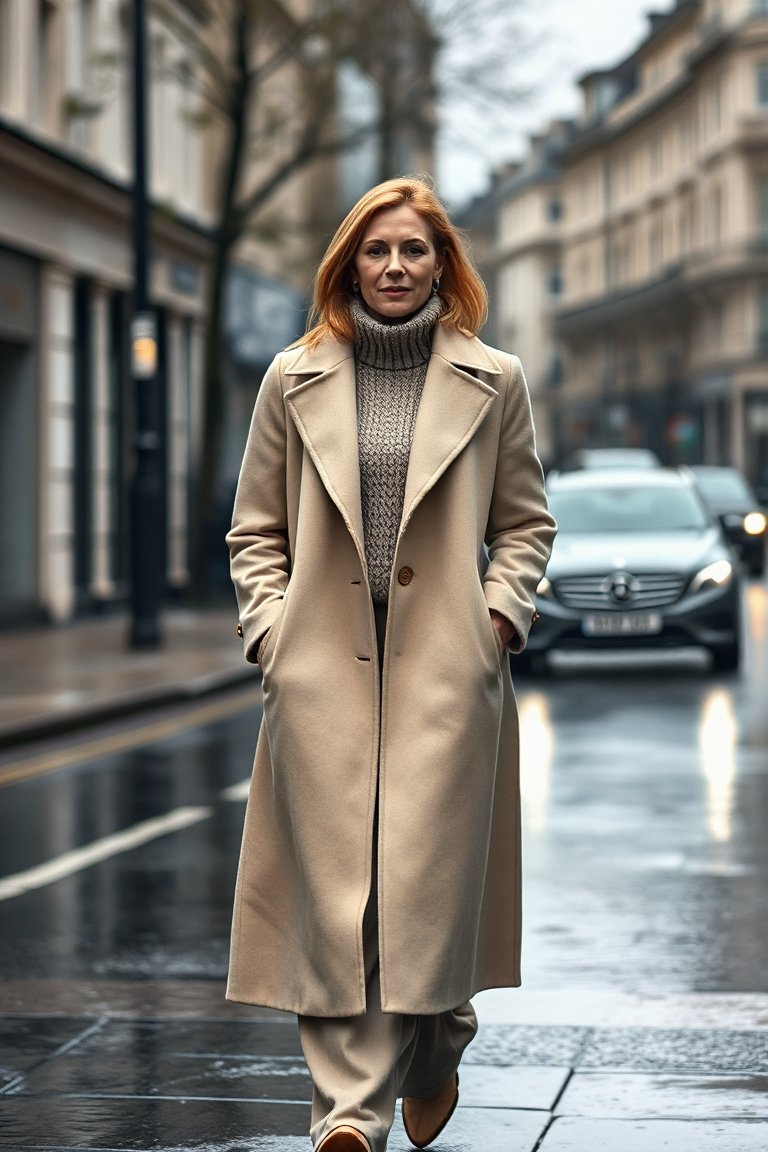
Long-line coats aren’t just about length—they’re about structure, proportion, and how they interact with everything you wear underneath. I’ve found that the extra coverage from a floor-skimming coat allows me to build depth without looking bulky. The key is that the coat sits open, giving you space to layer a sweater, a dress, or even a tailored jacket beneath it. I love how a long-line coat can balance out a chunky knit without overwhelming the silhouette. It’s like wearing a shield of style—warm, protective, and fashion-forward. I often wear mine over a ribbed turtleneck and wide-leg trousers, and it instantly elevates the look. The length also helps to elongate the body, which is a bonus when you’re dealing with layers that can otherwise make you look shorter.
Start with a Base Layer That Works Hard
Your base layer sets the tone for the entire outfit, so choose it wisely. I always start with a soft, moisture-wicking thermal top, especially when the temperature drops below 5°C. It keeps me warm without adding bulk, and I’ve found that merino wool blends are my go-to for breathability and comfort. I like to pair it with a sleek, high-necked long-sleeve top in a neutral shade—think oatmeal, taupe, or charcoal. This not only hides any imperfections in the base layer but also creates a polished foundation. The idea is to wear something that feels like a second skin but still has a refined finish. I’ve noticed that when your base layer is minimal and clean, it makes the layers above it look more intentional. It’s like building a house—without a solid foundation, nothing else holds up.
Choose the Right Mid-Layer for Texture and Warmth
The mid-layer is where you can really play with texture and visual interest. I’ve started layering chunky knits, especially those in a cable-knit or ribbed pattern, over my base layer. They add warmth without adding weight, and the texture creates a beautiful contrast against the smooth fabric of my coat. I’ve also experimented with oversized sweaters in deep winter colours like burgundy or forest green—they’re perfect for making a statement without needing a coat to do all the work. When selecting your mid-layer, consider the weight and drape of the fabric. A thick, heavy knit might work well in sub-zero temperatures, but if you’re layering in a city where you’ll be walking around, opt for a lighter, more fluid knit. The goal is to avoid a ‘puffy’ look while still staying warm.
Don’t Forget the Power of a Tailored Jacket
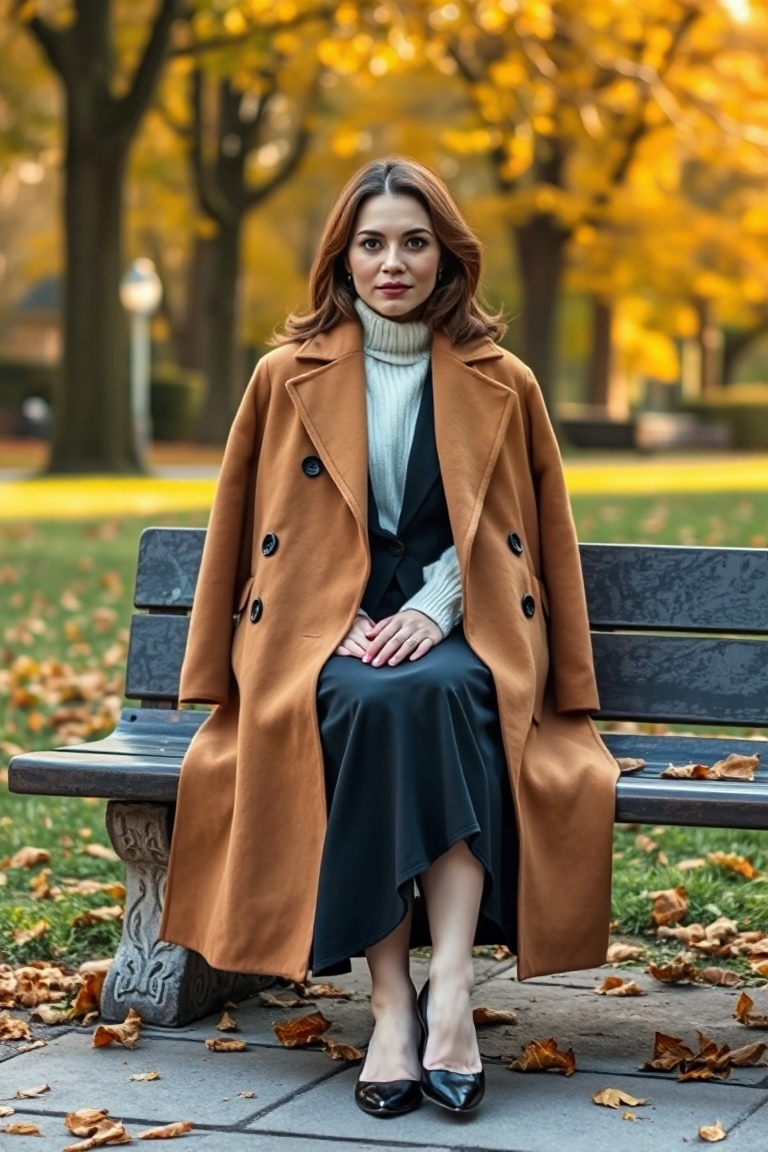
One of my favourite tricks is adding a tailored jacket—like a denim or wool blazer—over my sweater. It adds structure and a touch of sophistication without sacrificing comfort. I’ve worn it over a ribbed turtleneck and a midi skirt, then thrown my long-line coat over the top, and the result was both stylish and practical. The jacket adds a modern edge and helps define the waist, which is essential when layering can make you look shapeless. I’ve found that even a simple navy blazer can transform a casual look into something more polished. The key is to choose a jacket with a slim fit—anything too boxy will only make the layers look disorganised. It’s like layering on top of layers, but with purpose.
Layer a Dress or Skirt for Effortless Elegance
If you’re looking for a more feminine twist, try layering a dress or skirt under your long-line coat. I love wearing a silk slip dress in a deep emerald or chocolate brown, paired with a turtleneck and knee-high boots. The contrast between the soft fabric of the dress and the structured coat creates a luxurious effect. Even a long-line trench-style coat can work beautifully over a midi skirt and a fitted sweater. The key here is to ensure the layers underneath are proportionate—the dress or skirt shouldn’t be too wide or too tight, as that can disrupt the flow. I’ve also tried this with a high-necked knit dress and a long coat in a neutral tone, and it looked like something straight out of a winter editorial. It’s the kind of outfit that makes you feel like you’re walking through a fashion film.
Coordinate Your Footwear to Complete the Look
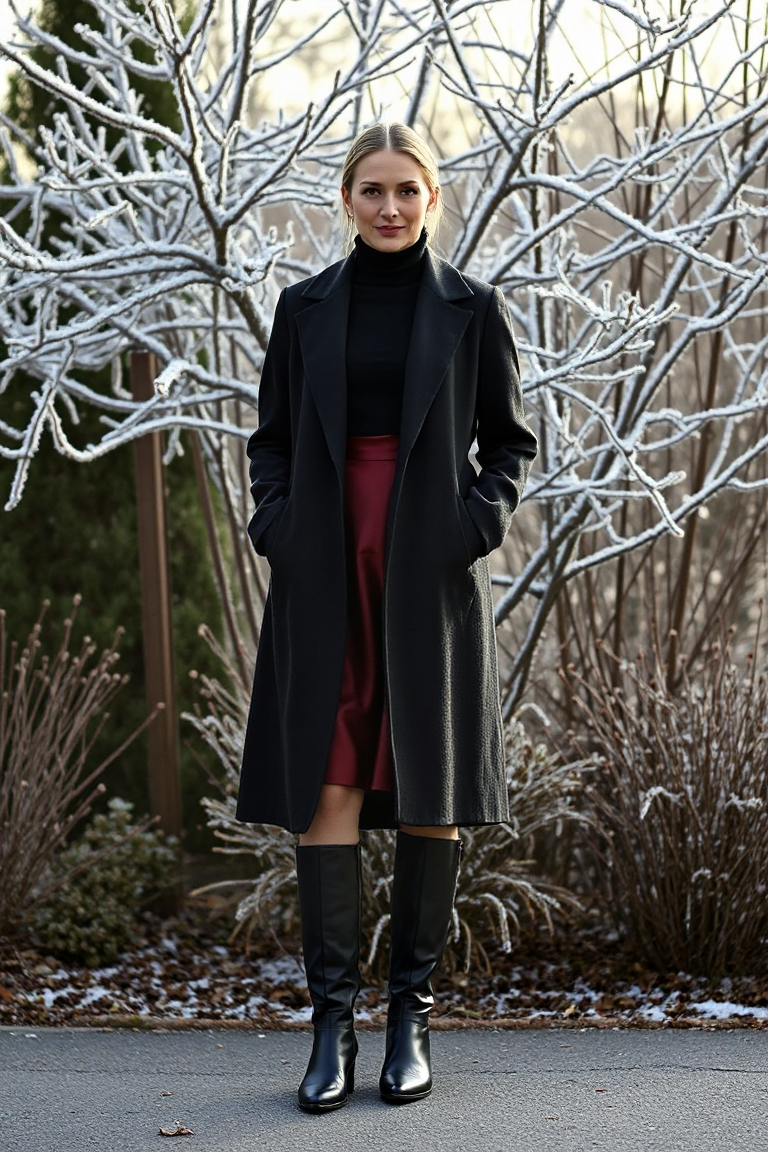
Your footwear plays a crucial role in pulling the entire outfit together. I’ve found that boots in a matching or complementary shade to your coat—like dark brown, black, or even camel—help to elongate the silhouette. I usually opt for ankle boots with a low heel for comfort, but I’ve also experimented with knee-high boots to add a touch of drama. The trick is to avoid shoes that look like they’re from a different era—something too chunky or too retro can clash with a modern layered outfit. I’ve learned to pair my long-line coat with sleek leather boots that have a slight heel—this adds height and polish without sacrificing practicality. And when the ground is wet, I switch to a pair of water-resistant boots with a matte finish that still looks elegant.
Think About Colour Palettes and Contrast
When layering, colour harmony is everything. I’ve learned that sticking to a cohesive palette—like a monochromatic scheme of greys and creams, or a rich combination of navy and rust—creates a visually harmonious look. But don’t be afraid to introduce a pop of colour through your mid-layer or accessories. I once wore a cream long-line coat over a deep burgundy sweater and a charcoal skirt, and the contrast was stunning. The key is to make sure the colours work together, not against each other. I also love using tonal layering—like a beige turtleneck under a beige sweater under a beige coat—to create a sophisticated, almost seamless effect. It’s subtle, but it makes a big difference in how polished the outfit looks.
Accessories Should Enhance, Not Overwhelm
Accessories are the finishing touch, but they can easily ruin a layered look if you’re not careful. I’ve learned to keep it simple: a wide wool scarf in a complementary shade, a leather handbag in a neutral tone, and a pair of understated earrings. I avoid anything too large or ornate—like a chunky scarf or a bold bag—that could distract from the layers. I love a long, soft scarf that drapes over the coat, adding warmth and texture without drawing attention away from the outfit. I’ve also found that a simple leather belt can help define the waist when you’re wearing a long-line coat over a dress or sweater. Less is more—especially when you’re dealing with multiple layers.
Master the Art of the Open Coat
One of the most important rules in layering a long-line coat is to keep it open. Closing it shuts off the visual flow of your layers and can make you look shorter and bulkier. I always wear my coat open—this way, you can see the layers underneath, and it allows the outfit to breathe. It also creates a sense of movement and fluidity, which is especially important in colder months when people tend to look stiff. I’ve found that opening the coat in this way makes the outfit feel more dynamic and intentional. I’ve even styled it with a wide scarf draped over the shoulders, which adds a layer of visual interest without needing to wear more clothing. It’s a simple trick, but it makes a huge difference.
Layering for Different Occasions and Environments
One of the best things about a long-line coat is its versatility. You can wear it to work, to a dinner date, or even to a weekend brunch. For work, I pair a structured long-line coat with a silk blouse, a midi skirt, and heeled boots—this creates a professional look that still feels warm and polished. For a casual day out, I’ll wear it over a chunky knit and jeans, with ankle boots and a slouchy tote. The key is to adjust the layers based on the environment. For example, I avoid heavy knits when I’ll be in a heated office, but I’ll add an extra layer when I’m outside in the cold. I’ve also found that wearing a long-line coat over a tailored jacket and trousers is perfect for a smart-casual event—like a gallery opening or a dinner at a cosy restaurant.
Make It Your Own with Personal Details
Finally, the most important part of any fashion trend is making it your own. I’ve found that adding a personal touch—like a vintage brooch on the lapel, a favourite scarf, or a bold ring—helps to make the outfit feel uniquely mine. I love wearing a long-line coat in a neutral shade but adding a bright scarf or a statement necklace to give it personality. I’ve also experimented with layering a vintage cardigan over a turtleneck, just to add a touch of nostalgia. The goal isn’t to follow trends blindly, but to adapt them in a way that feels authentic to your style. That’s what makes layering with a long-line coat so special—it’s not just about staying warm, it’s about creating a look that feels personal, intentional, and effortlessly stylish.
Frequently Asked Questions
Can I wear a long-line coat over a bulky sweater?
Yes, but choose your sweater wisely. Opt for a slightly oversized but not overly chunky knit to avoid looking shapeless. Pair it with slim-fit trousers or a pencil skirt to balance the silhouette.
What’s the best way to layer a long-line coat for city commuting?
Go for a lightweight thermal base layer, a mid-weight sweater, and a tailored coat. Avoid bulky fabrics that will restrict movement, and always wear comfortable footwear that’s easy to walk in.
How do I avoid looking too layered in cold weather?
Stick to a monochromatic or tonal palette, and ensure each layer has a clean, structured silhouette. Avoid wearing too many textures at once, and keep your coat open to maintain visual flow.