
I’ve spent years experimenting with different coats, and let me tell you—finding the right one is as much about confidence as it is about fit. There’s nothing quite like slipping into a coat that feels like it was made just for you, one that hugs your curves in all the right places while giving you the warmth and polish you crave. But let’s be honest: not every coat works for every body shape. That’s why I’ve put together this guide to help you navigate the world of outerwear with clarity, style, and a little bit of flair. Whether you’re dealing with a petite frame, a curvy silhouette, or a more structured shape, the right coat can transform your look. Let’s dive in.
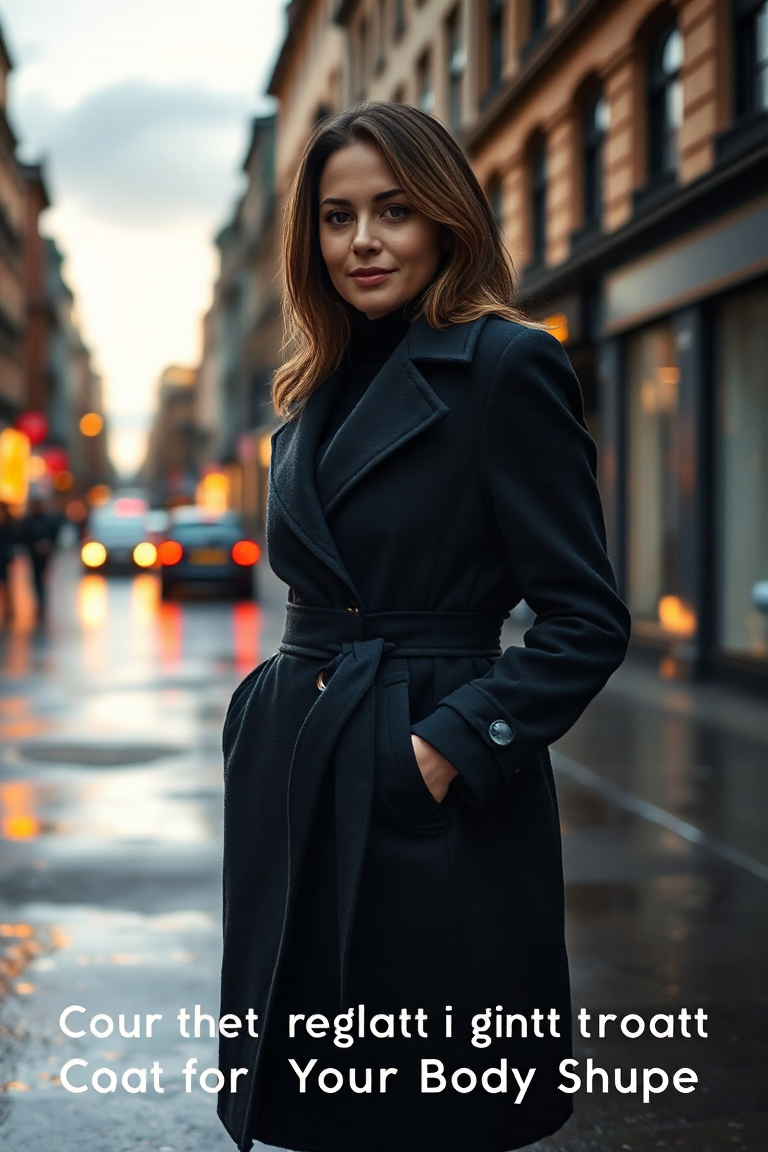
Understand Your Body Shape First
Before you even step into a coat shop, take a moment to understand your body shape. This isn’t about labels—it’s about recognising your natural silhouette so you can choose coats that enhance your best features. I’ve found that most women fall into one of four categories: apple, pear, hourglass, or rectangle. The apple shape tends to carry more weight around the midsection, while the pear shape has a wider lower half. Hourglass figures have balanced bust and hips with a defined waist, and rectangles have straight lines with little definition. Understanding your shape is the foundation of a flattering fit. I like to use a full-length mirror and a soft measuring tape to assess my proportions before buying anything. It’s a simple step that saves you from wasting time and money on coats that don’t work. When I first started paying attention to this, I realised I was buying coats that hid my waist instead of highlighting it—big mistake.
Coats for Apple Shapes
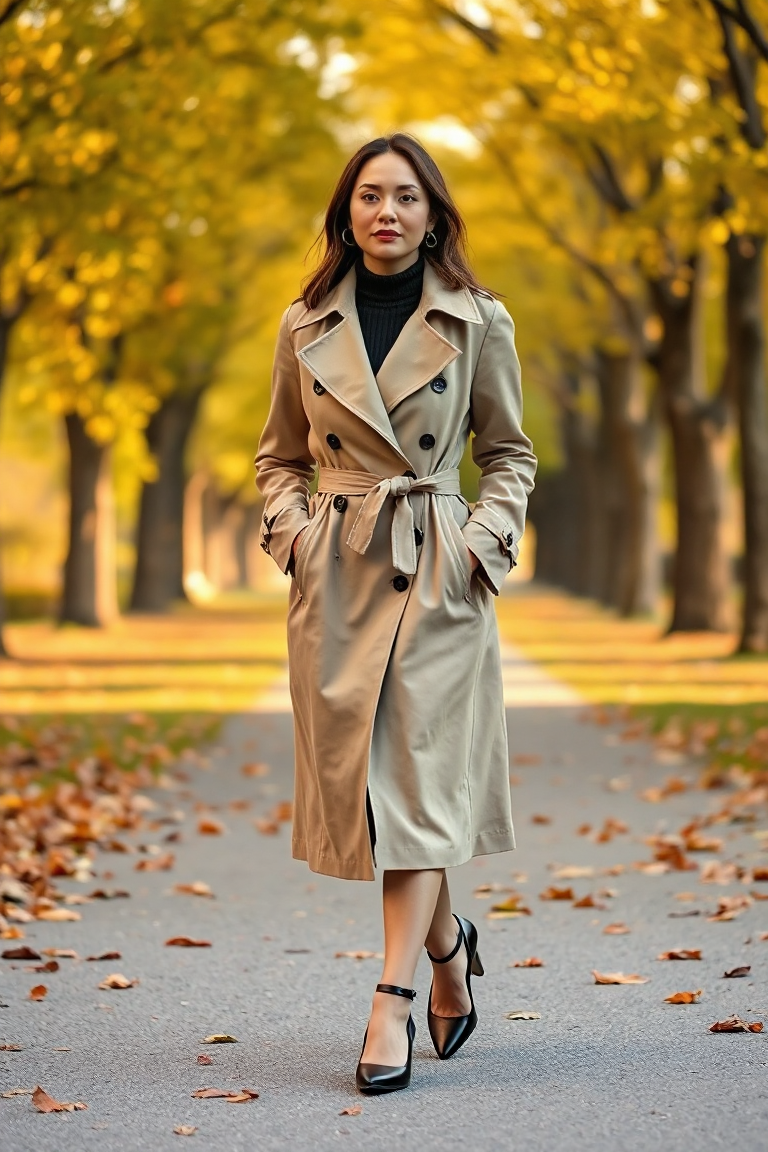
If you have an apple shape, your goal is to create the illusion of a defined waist and avoid drawing attention to your midsection. I always go for coats with a V-neck or a notched collar to elongate the torso and create a more balanced look. A-line coats are my go-to because they flow over the hips and don’t cling to the middle, giving you that graceful drape. I also love trench coats with a wide belt that you can tie loosely—it gives you a moment of definition without being restrictive. Avoid anything too boxy or straight-cut, as these tend to emphasize the waistline in a way that’s not flattering. I’ve learned that the right coat can make you feel like you’re wearing armour—strong, confident, and in control. I recently wore a long beige trench with a relaxed fit, and I felt like I was walking on a red carpet. The key is to pick a coat that flows, not hugs.
Coats for Pear Shapes
For those with a pear-shaped body, the aim is to balance the lower half with a more structured upper body. I’ve found that coats with a slightly flared hemline or structured shoulders help to draw the eye upward, which instantly makes your frame look more harmonious. I love double-breasted coats because the layered design adds volume to the bust area, creating a more balanced silhouette. A coat with a wide lapel or a deep V-neck can also help shift attention away from the hips. I avoid anything too tight through the hips or that ends right at the widest point—it just makes the lower half look even fuller. When I wore a knee-length wool blend coat with a subtle waistline, I felt like I was wearing a piece of art. The cut was perfect—flowing at the bottom but structured at the top. This kind of coat makes you feel strong and elegant, not like you’re hiding.
Coats for Hourglass Shapes
If you have an hourglass shape, you’re in luck—most coats will suit you, but you want to play up your curves, not hide them. I always look for coats with a defined waistline, like belted styles or tailored silhouettes. The key is to find a coat that fits snugly through the hips and bust while still allowing room for movement. A well-fitted pea coat or a structured blazer coat can be a game-changer. I love a long-line coat with a wide belt—it cinches at the waist and gives you that hourglass definition I crave. I’ve learned that when a coat fits perfectly, it doesn’t just look good—it feels like a second skin. I remember wearing a black wool coat with a long belt, and I looked like I’d stepped out of a vintage film. That’s the magic of choosing the right coat: it transforms your confidence. Just make sure the fabric has some shape and doesn’t overwhelm your frame.
Coats for Rectangle Shapes
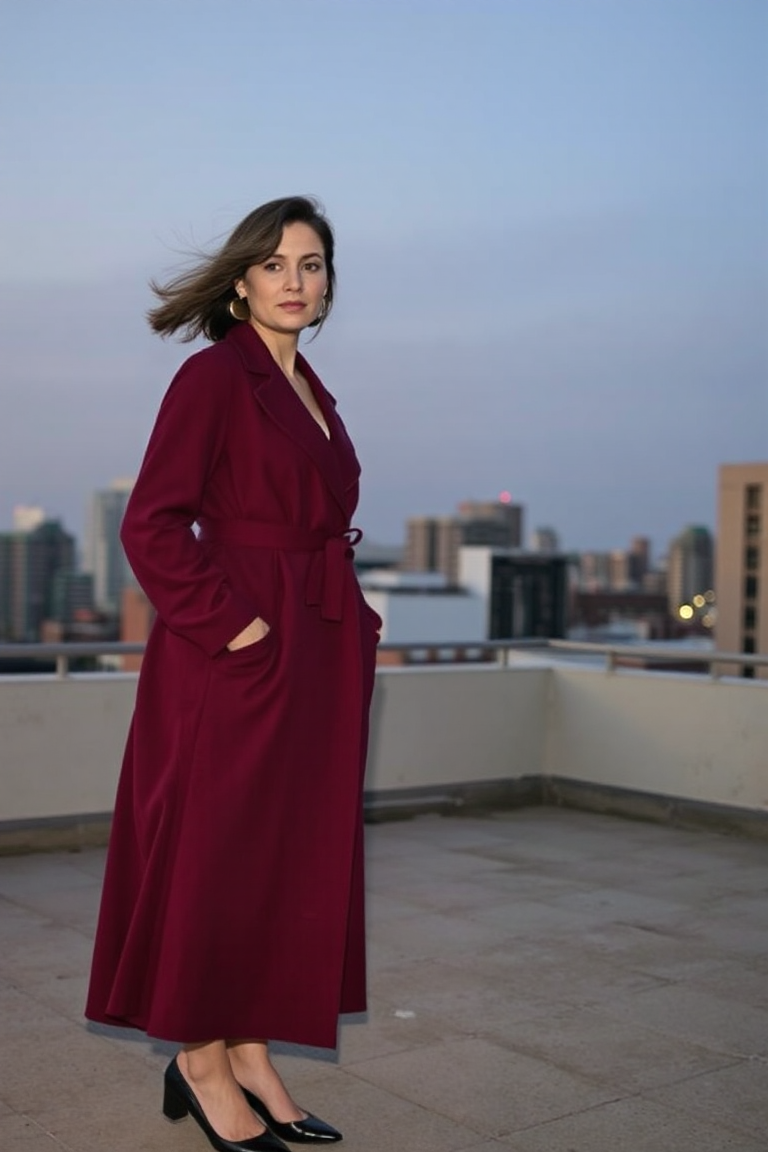
For rectangle-shaped bodies, the trick is to create curves where they don’t naturally exist. I always look for coats with texture, volume, or details that add visual interest—like ruching, pleats, or structured shoulders. A coat with a tailored waist or a wrap design can give you the illusion of a defined waistline. I also love coats with a slightly flared hem or a subtle peplum detail at the waist—these small design choices make a big difference. Avoid anything too straight or boxy, as these can make your frame look even more flat. I’ve found that a long-line coat with a deep V-neck or an asymmetrical hemline adds dimension and movement. I once wore a long, soft wool coat with a draped front, and it gave me a whole new silhouette. The right coat can turn a plain look into something bold and beautiful.
Consider the Length of the Coat
The length of your coat can dramatically affect how it flatters your body shape. I’ve learned that shorter coats—like knee-length or above-the-knee—work best for petite frames because they keep the silhouette lifted and elongated. For taller women, a long coat that brushes the ankles can look stunning, but I’ve found that it can overwhelm smaller frames. I always measure from the top of my shoulder to the desired hemline to ensure the length feels proportionate. A mid-thigh or calf-length coat is usually the sweet spot for most body types. I’ve found that the right length can make you look taller and more put-together. I once wore a mid-length coat that hit just below the knee, and I felt like I had a whole new height. The trick is to avoid anything that ends right at the widest part of your body—it can make you look shorter.
Choose the Right Fabric
The fabric of your coat plays a crucial role in how it drapes and flatters your shape. I prefer natural fibres like wool, cashmere, or linen because they hold their shape well and feel luxurious against the skin. For a more structured look, I go for heavier fabrics like wool or tweed—they add body and definition. Lighter fabrics like cotton or silk blends are perfect for a flowy, relaxed silhouette. I avoid anything too clingy or too stiff, as both can be unflattering. I’ve found that the right fabric can change how a coat feels—some feel like they’re hugging you, others like they’re draping over you. I once wore a wool blend coat with a slight sheen, and it made my figure look more sculpted. The fabric choice is as important as the cut—it’s what brings your coat to life.
Pay Attention to Collar and Lapel Style
The collar and lapel of a coat can dramatically alter your overall appearance. I love a wide lapel because it creates a sense of width across the shoulders, which is great for balancing a narrow upper body. A notched collar can elongate the neck and make the face look more defined, which is perfect for most shapes. I avoid high collars or tight lapels, as these can make the frame look too narrow or boxy. I’ve learned that a deeper V-neck collar adds length and softness to the face, while a stand-up collar can give a bold, modern edge. I once wore a coat with a wide, structured lapel, and I felt like I was in a fashion film. The collar style may seem minor, but it’s a detail that makes a huge difference in how your coat looks and feels.
Think About Fit and Tailoring
Fit is everything when it comes to coats. I always try on a coat and check how it sits on my shoulders and hips—ideally, it should sit flat across the shoulders and fall naturally over the hips. I look for a coat that allows for a layer underneath without looking bulky. I avoid anything that feels too tight or too loose—both can make you look off-balance. If a coat fits well but needs a little tweaking, I consider tailoring it. A small alteration can make a world of difference—like shortening the sleeves or taking in the waist. I’ve had a coat tailored to fit me perfectly, and it felt like it was made just for me. The right fit doesn’t just look good—it feels empowering. I’ve found that even a simple adjustment can transform a good coat into a great one.
Test the Movement and Comfort
A coat should feel as good as it looks. I always check how much room I have to move—can you easily walk, sit, or carry a bag without the coat pulling or bunching? I avoid anything that restricts movement or feels too tight around the arms and torso. I also consider the weight of the coat—some fabrics are heavier and can make you feel weighed down, especially if you’re petite. I’ve learned that comfort is key—you can’t look stylish if you’re uncomfortable. I once wore a coat that was too stiff and bulky, and I felt like I was in a snowsuit. The right coat should allow you to move freely while still looking polished. I now always test the coat by walking, turning, and even sitting down to ensure it feels natural and effortless.
Consider Your Personal Style
While fit and body shape are crucial, your personal style should also guide your coat choices. I love a classic, timeless look—think tailored coats in neutral colours—but I also enjoy experimenting with bold colours and textures. I choose coats that reflect who I am, not just what’s trending. If you love a bold statement piece, go for a brightly coloured coat or one with unique details like asymmetric zippers or oversized buttons. If you prefer understated elegance, stick to classic cuts in black, camel, or navy. The right coat should feel like a natural extension of your style. I’ve found that when I wear something that feels authentic to me, I feel more confident and put-together. Your coat should be a reflection of you, not just a fashion trend.
Don’t Forget the Details
Details like pockets, buttons, and closures can make a surprising difference in how a coat flatters your shape. I love a coat with functional pockets that sit at the waist—they add balance and structure. I also look for coats with double-breasted buttons or wrap closures, as these create a more polished and flattering silhouette. I avoid anything with too many embellishments or bulky details, as these can overwhelm a smaller frame. I’ve found that a simple, clean coat with a subtle pocket detail can be just as striking as a more dramatic one. I once wore a coat with a single chest pocket and a long zipper—I felt like I was in a modern film. The details might seem small, but they’re what elevate a coat from ordinary to extraordinary.
Frequently Asked Questions
How do I know if a coat is too long for my body shape?
Look for signs that the coat drags or pools at the hem, especially around the ankles. If it hits at or below the widest part of your hips or thighs, it can make you look shorter. For most body shapes, a coat that hits just above the knee or mid-calf is more flattering. If you’re unsure, try it on and check the length in the mirror—your coat should end at a point that looks balanced with your frame.
Can I wear a coat that doesn’t fit perfectly if it’s trendy?
While trends are fun, a coat that doesn’t fit well can quickly lose its appeal. A coat that’s too long, too tight, or too boxy can make you look ill-dressed, no matter how stylish it appears. I’ve found that investing in a well-fitting coat, even if it’s slightly more basic, pays off in confidence and longevity. A good coat should look like it belongs on your body—not like it’s been borrowed.
What coat style works best for petite frames?
For petite frames, I recommend coats that are tailored and hit at or just below the knee. A structured, knee-length coat with a defined waist helps elongate the silhouette. I also love a belted trench or a fitted pea coat—these styles create a flattering line without overwhelming your frame. Avoid anything too long or oversized, as it can make you look smaller. The key is to choose a coat that adds length and definition.