
I’ve spent years hunting for the perfect dressy coat—something that felt luxurious, looked sharp, and flattered my shape without requiring a miracle. But let’s be honest: even the most beautiful coat can fall flat if the fit isn’t right. I’ve tried wearing coats that were too big, too long, or that rode up awkwardly at the waist. It wasn’t until I invested time in tailoring that I truly understood how transformative a few well-placed alterations can be. Tailoring isn’t just for high-end designers—it’s one of the most powerful tools in every woman’s style arsenal. Whether you’re working with a wool trench, a belted cashmere duster, or a structured coat with lapels, a few key adjustments can turn a good coat into a great one. In this guide, I’ll walk you through every step of tailoring your dressy coat for a fit that feels as good as it looks.
Why Fit Matters More Than You Think
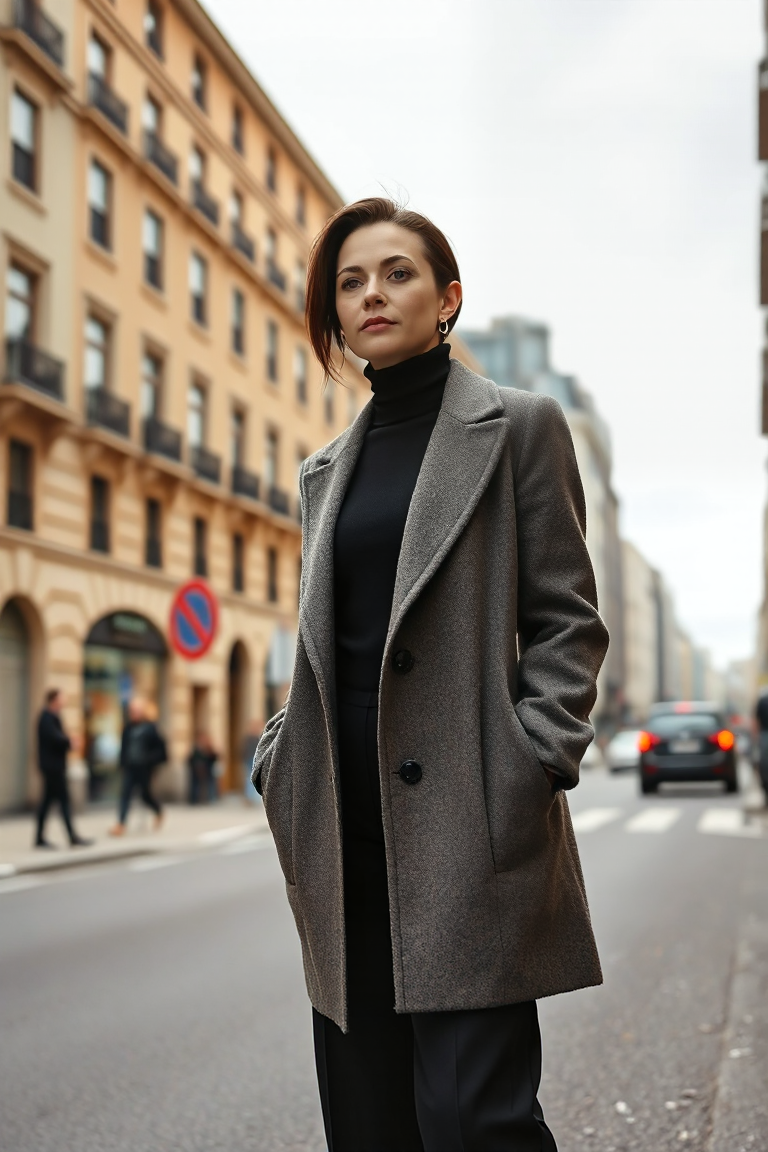
When it comes to outerwear, especially dressy coats, fit is everything. A coat that drapes well across the shoulders and skims the body doesn’t just look elegant—it makes you feel confident. I’ve noticed that even small changes, like reducing the sleeve width or shortening the length, can completely change how a coat sits on your frame. The right fit enhances your silhouette, draws attention to your best features, and makes the coat feel like an extension of your personal style rather than just an extra layer. It’s not just about hiding flaws; it’s about celebrating your shape. For example, I used to avoid long coats because I thought they made me look heavier. But after my tailor adjusted the waistline and narrowed the sleeves, I discovered a coat that actually accentuated my curves. That’s the magic of fit: it can transform an outfit from basic to beautiful.
Start with a Good Fitting Base
Before you begin any tailoring, you need a baseline. This means wearing the coat over your usual clothes, standing in front of a full-length mirror, and checking how it sits. I always start by wearing a thin layer—something like a fitted turtleneck or a slim blouse—because that’s what you’ll wear under the coat in real life. Then, I examine the coat from the front, side, and back. Look for gaps at the shoulders, excess fabric at the waist, or sleeves that roll up too much. The coat should lie flat, with a natural drape that follows your body’s contours. If it’s too loose at the shoulders, for example, it can make you look shorter and wider than you are. If the back is gaping, it may not provide proper coverage. These issues aren’t always obvious in the store, so take the time to assess before making any alterations. A well-fitting base coat is like a blank canvas—everything else depends on it.
Shoulder Fit: The Foundation of a Flattering Coat
Shoulder fit is arguably the most important aspect of a coat’s silhouette. I’ve seen so many coats that look great on a hanger but collapse on the body because the shoulders don’t align with the wearer’s natural structure. Your coat’s shoulder seam should sit right where your shoulder ends, not drop down your back. If the seam is too far forward, it can cause the front to bunch; if it’s too far back, the coat will slide off. To check your shoulder fit, stand naturally and look in the mirror—your coat’s shoulder seam should align with the top of your shoulder bone. If it doesn’t, you’ll need a tailor to adjust the seam. This is usually a straightforward alteration that can dramatically improve how the coat sits. I recently had a coat shortened at the shoulders, and the difference was immediate—the coat no longer pulled or gaped at the back, and my posture felt more confident. Getting this right sets the tone for the rest of the coat’s fit.
Adjusting Sleeve Length and Fit
Sleeve fit is another area where small changes can make a big difference. I used to struggle with sleeves that were too long, especially when wearing a coat over a long-sleeve shirt. They would bunch up at the wrist, creating a bulky look that felt outdated. On the other hand, sleeves that are too short can expose too much skin and make the coat look unbalanced. The ideal sleeve length is just past the wrist bone, allowing you to wear gloves or show off a watch without bunching. To achieve this, I’ve had my tailor shorten the sleeves by about an inch, and the difference was striking. I also had the sleeve width reduced slightly, which helped the coat sit more closely to the arm without restricting movement. This adjustment not only improved the coat’s appearance but also made it more comfortable to wear during the day. If you’re unsure about sleeve length, try folding the cuff over and see how it looks—it’s a simple way to test the fit before committing to alterations.
Waistline Alterations for a Polished Silhouette
One of the most effective ways to elevate a dressy coat is by refining the waistline. I used to avoid coats with waist seams because they often looked too boxy or accentuated my midsection in a way I didn’t like. But after working with a skilled tailor to take in the waist slightly and adjust the drape, I discovered a coat that actually flattered my figure. The key is to maintain a natural curve—neither too tight nor too loose. Take a measuring tape and check the distance between your natural waist and the coat’s waist seam. If the seam sits too high, it can make you look shorter; if it’s too low, the coat may feel shapeless. A well-placed waist alteration can create a cinched look that’s both elegant and flattering. I’ve also found that adding a subtle drape or a slight curve to the waist seam helps the coat hug the body without feeling restrictive. This is especially helpful for coats with belted or tailored styles.
Length Matters: Finding the Ideal Hemline
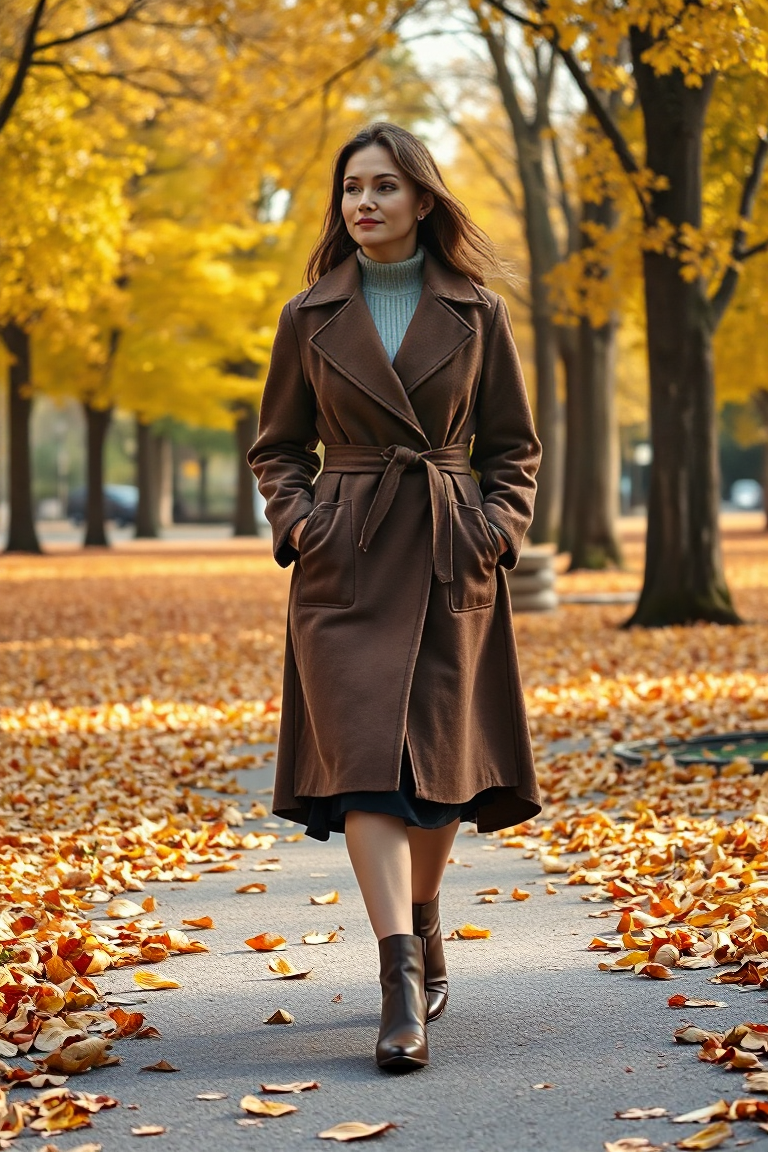
The length of your coat can drastically affect your overall appearance. I’ve learned that a coat that’s too long can overwhelm your frame, while one that’s too short may not offer enough coverage or style. The ideal length depends on your height, body shape, and the coat’s design. For most women, a coat that hits just above the knee is universally flattering—it’s long enough to be elegant but not so long that it obscures your legs. I’ve had several coats shortened by two to three inches, and the difference was immediate: they looked more proportionate and felt less cumbersome. For shorter women, a hemline that ends just below the hip can be more flattering, while taller women may find a longer length more balanced. The trick is to experiment with different lengths and see what works for your body. You can even use temporary pins to test the look before committing to permanent alterations.
Check the Back and Underarm Fit
While the front of the coat gets most of the attention, the back and underarm areas are equally important. If the back is too tight, it can restrict movement and cause the coat to gap at the waist or shoulders. I’ve had coats where the back seam was too close to the spine, making them uncomfortable to wear for long periods. A good tailor will assess the back panel and adjust the fit so it lies flat against your body without pulling. The underarm area should allow for full arm movement while still staying close enough to avoid excess fabric. I’ve had my coat’s underarm seam slightly eased, and it made a huge difference in comfort and drape. You can test this by raising your arms—there should be no tightness or pulling. A coat that fits well in the back will stay in place and look more polished throughout the day.
Consider the Fabric When Tailoring
Not all fabrics respond to tailoring in the same way. Wool and wool-blend coats are generally more forgiving and easier to alter, while delicate fabrics like cashmere or silk may require more careful handling. I’ve had a wool coat altered successfully multiple times, but when I tried to adjust a thick cashmere duster, the tailor advised against it because the fabric could stretch or lose its structure. The key is to work with a tailor who understands your fabric’s properties. For heavier materials, extra attention should be paid to stitching and reinforcement, while lighter fabrics may need interfacing to maintain shape. I always ask my tailor to inspect the fabric before making any changes, and I’m happy to pay a little more for quality workmanship. Tailoring shouldn’t compromise the integrity of the coat—just enhance it.
How to Find the Right Tailor
Not all tailors are created equal. I’ve had some experiences where the alterations looked uneven or the coat was altered in a way that ruined the original design. The best way to find a reliable tailor is through word-of-mouth recommendations or by visiting reputable ateliers. Look for someone who specialises in outerwear, as they’ll have the experience to handle the unique challenges of coats. I always ask to see a portfolio or request a trial alteration on a less expensive item before trusting my favourite coat to them. A good tailor will listen to your concerns, offer practical suggestions, and explain each step of the process. They should also be able to work with different styles—whether it’s a classic trench, a modern blazer coat, or a vintage-inspired piece. Trusting the right person with your coat is essential for a successful outcome.
What to Do If You Can’t Afford a Tailor
I know not everyone has the budget to hire a tailor, and that’s okay. There are still ways to improve a coat’s fit without professional help. For example, you can use a sewing machine to take in the waist or adjust the hem. Alternatively, you can use fabric tape or fusible interfacing to reinforce seams and create a more tailored look. I’ve used a simple bias tape to tidy up a raw edge at the hem, and it made a noticeable difference. For shoulder adjustments, you can try using a tailor’s chalk to mark where you want to take in fabric, then sew it by hand. While these DIY methods aren’t as precise as professional alterations, they can help make your coat look and feel better. Just be careful not to over-modify—small, thoughtful changes go a long way.

Frequently Asked Questions
Can I alter a coat that’s already been worn?
Yes, most coats can be altered even after they’ve been worn. However, it’s important to consider the fabric’s condition and any existing wear or stretching. A skilled tailor can assess the coat and determine what’s possible without compromising its structure.
How much does it cost to tailor a dressy coat?
Costs vary depending on the alterations needed and your tailor’s expertise, but basic adjustments like shortening the hem or taking in the waist typically range from £20 to £60. More complex changes, such as reshaping the shoulders, may cost more.
Should I take my coat to the tailor before or after buying it?
It’s best to take your coat to the tailor before purchasing, if possible, to ensure it fits well. If you’ve already bought it, you can still have it altered—just keep in mind that the tailor may need to adjust based on how the coat fits you.