
I’ve always been drawn to clothes that feel like a second skin—soft, well-crafted, and effortlessly put together. There’s something so satisfying about slipping into a cashmere knit that drapes just so, or a pair of tailored trousers that move with you, all without a single logo in sight. That’s the quiet luxury aesthetic: not about flashy brands or loud status symbols, but about the quality of the fabric, the precision of the cut, and the confidence that comes from wearing things you truly love. It’s a style that says “I’ve arrived” without needing to announce it. If you’ve ever found yourself admiring someone’s look and thinking, “They just look so… collected,” that’s quiet luxury in action. Let me take you through how to cultivate that same kind of understated elegance in your own wardrobe.
Embrace the Power of Neutral Colours
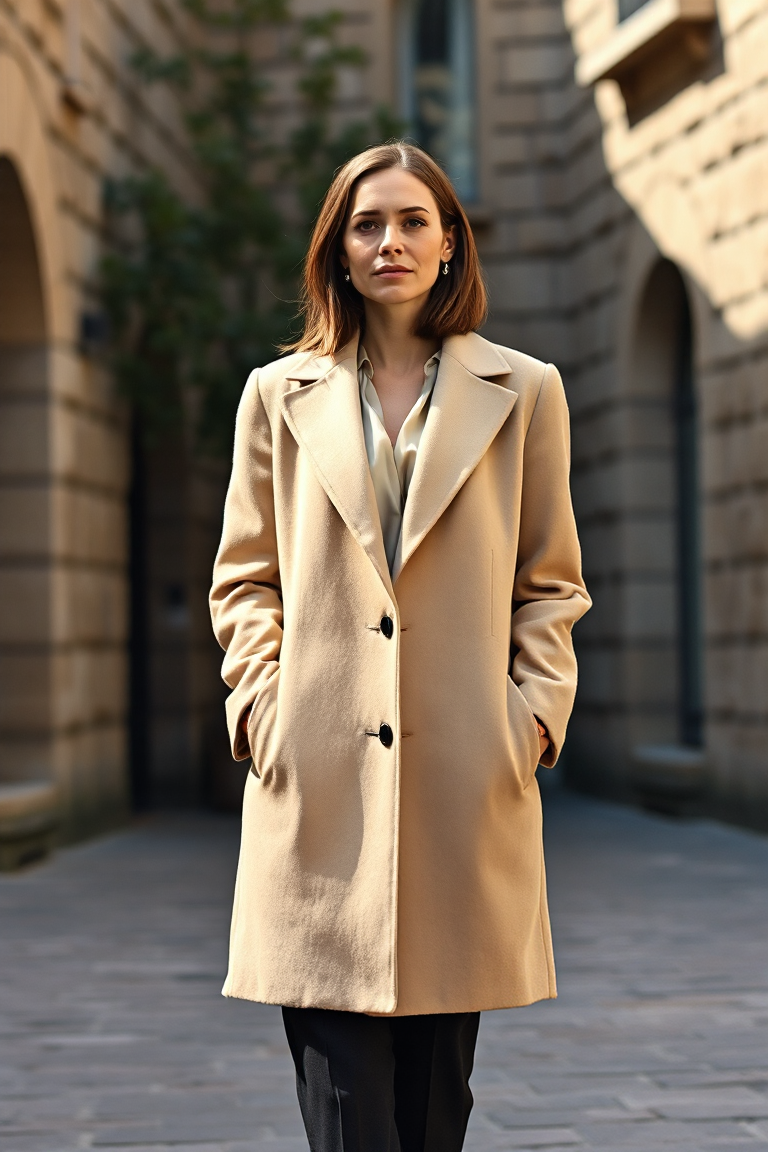
One of the first steps in mastering quiet luxury is learning to love a well-curated neutral palette. Think creamy whites, soft greys, warm beiges, and deep charcoal—colours that feel rich yet restful, like a muted linen or a smooth stone. These tones don’t shout for attention; instead, they create a canvas that highlights the quality of the garment itself. I’ve found that investing in neutral basics allows me to mix and match endlessly without ever feeling like I’m repeating myself. For instance, a camel coat can transition from autumn walks to winter dinners with ease, simply because the shade is so timeless and versatile. I always ask myself: “Does this colour feel like it will still look good in five years?” If the answer is yes, it’s a keeper.
Focus on Fabric Quality Over Brand Names
Here’s the truth: quiet luxury isn’t about the label—it’s about the feel. I’ve learned to run my fingers over a fabric and ask, “Does this feel substantial? Does it drape well? Does it breathe?” Silk, cashmere, fine wool, and linen are your best friends. These materials age beautifully, develop character over time, and feel luxurious against the skin. I remember the first time I wore a hand-knitted cashmere jumper in winter—it was so soft, I couldn’t stop touching it. The subtle sheen, the way it hugged my frame without clinging, the warmth that came without bulk—it was a revelation. You don’t need to spend a fortune to find great quality; instead, look for fine weaves, clean stitching, and natural fibres that tell a story through their texture and durability.
Invest in Tailored Silhouettes
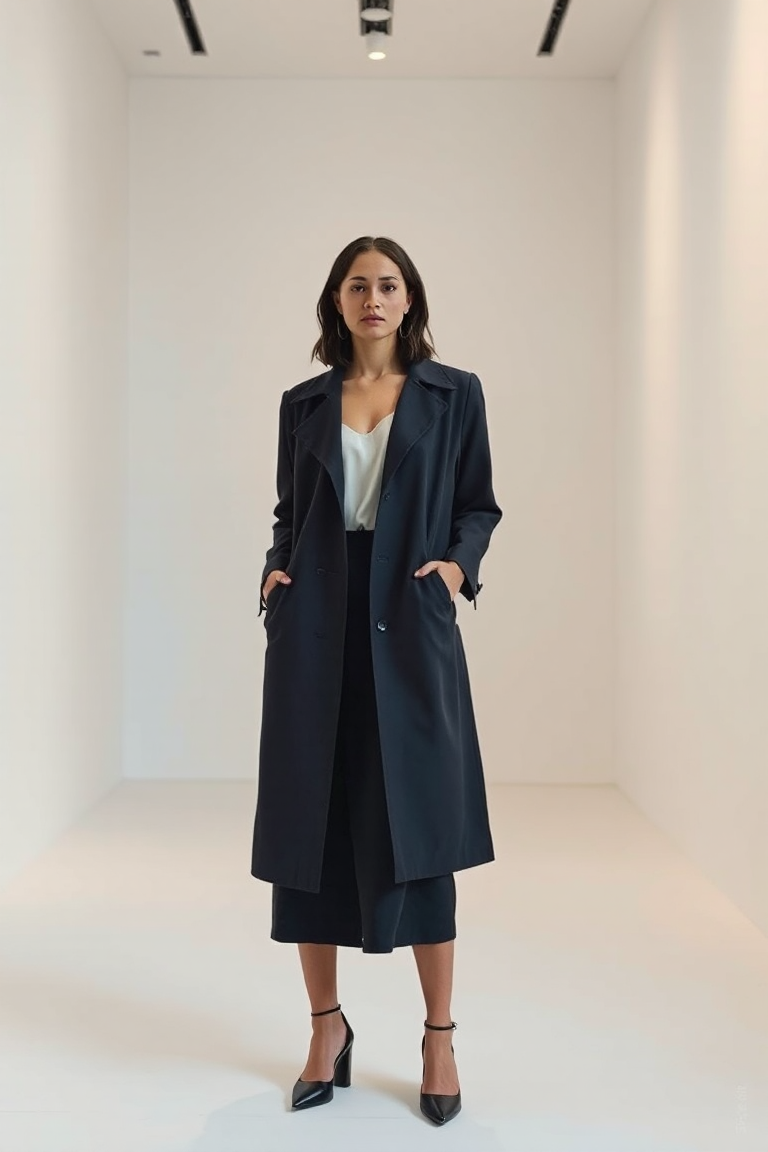
Fit is everything in the quiet luxury aesthetic. A perfectly tailored blazer or a pair of straight-leg trousers can elevate the simplest outfit into something polished and intentional. I used to buy clothes that were “close enough,” but I’ve since learned that a single seam adjustment can transform an outfit from “okay” to “wow.” I now take my pieces to a tailor to ensure they sit just right—whether it’s shortening a hem or nipping in the waist. Look for pieces with clean lines, minimal embellishment, and a focus on structure. A well-fitted trench coat, for example, should skim the body without gaping or bunching, and the sleeves should end just above the wrist. It’s not about being tight or restrictive, but about creating a shape that feels intentional and refined.
Opt for Timeless Pieces Over Trends
It’s easy to get caught up in the latest trend—those bold prints, the oversized silhouettes, the shiny fabrics—but quiet luxury is built on the opposite philosophy: longevity over novelty. I’ve curated a capsule wardrobe of pieces I know I’ll wear for years, not just seasons. A classic trench, a simple white shirt, a structured tote—these are staples that never date. I’ve found that when I resist the urge to chase trends, I actually save money in the long run and reduce my environmental impact. Instead of buying five new things each season, I focus on refining my existing collection. It’s about slow fashion, not fast fashion. Think of it this way: would you wear this piece in 10 years? If yes, it’s worth the investment.
Less Is More: Minimalist Details
One of the hallmarks of quiet luxury is restraint. Instead of piling on accessories or layering with loud patterns, I focus on simplicity and intention. A single gold pendant, a pair of understated earrings, or a leather wristband can add a touch of refinement without overpowering the look. I’ve learned that the most effective details are often the most subtle—like a perfectly placed button, a neat placket, or a clean finish on a sleeve. I avoid anything that looks “overdone,” such as excessive hardware or flashy embellishments. A simple cashmere scarf, for instance, can be as elegant as a designer piece if the material and fit are right. It’s all about quality over quantity, and letting the garment speak for itself.
Build a Capsule Wardrobe That Works for You
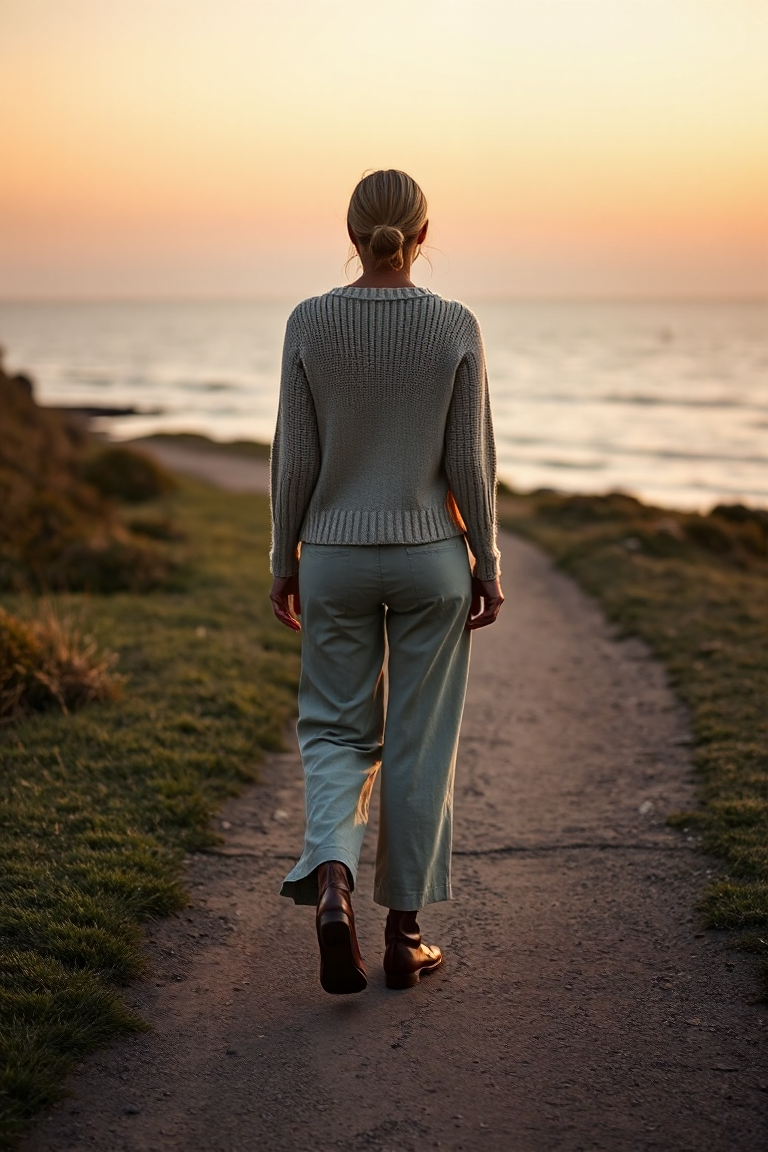
Creating a capsule wardrobe is one of the most practical ways to embrace quiet luxury. I started by listing the activities I do most often—work, errands, dinners out, weekends—and then built a wardrobe around those needs. I keep a core of 20-30 well-chosen items that can be mixed and matched in endless combinations. This approach not only reduces decision fatigue but also encourages me to value each piece more deeply. I’ve found that I wear my capsule items far more often than my seasonal collections. When I travel, I pack a few key pieces that can be dressed up or down, like a lightweight wool coat, a silk blouse, and a pair of dark jeans. It’s not about having less—it’s about having the right things.
Pay Attention to Fit and Proportions
Even the most luxurious fabric will fall flat if it doesn’t fit well. I’ve learned to consider proportions when choosing clothes—how a garment sits on my body, how it flows, and how it interacts with my frame. A blazer that’s too short can make me look disproportionate, while a dress that’s too wide can overwhelm. I now measure my body and compare it to garment dimensions before buying. I also pay attention to how clothes feel in motion—do they restrict movement? Do they bunch at the waist? I’ve found that clothes that move with me, rather than against me, feel more luxurious and comfortable. This is especially important for items like outerwear or dresses that are worn for long periods.
Choose Natural Materials for Sensory Pleasure
Part of the quiet luxury aesthetic is the sensory experience of wearing clothing. I love the way a heavy wool coat feels against my skin, or how a silk scarf glides over my neck. Natural materials not only feel better but also breathe better, last longer, and age gracefully. I avoid synthetic fabrics like polyester or nylon—they tend to pill, feel cheap, and lack the softness of natural fibres. Instead, I look for organic cotton, merino wool, linen, and silk. I’ve even started to pay attention to how clothes feel in different seasons—lighter fabrics for summer, heavier ones for winter—and how they interact with the environment. It’s not just about looking good; it’s about feeling good.
Master the Art of Layering Subtly
Layering is a quiet luxury staple, but it’s easy to get it wrong—too many layers can look bulky, while too few can leave you exposed. I’ve learned to layer with purpose, using pieces that complement each other in texture, colour, and weight. For example, I’ll wear a fine-knit sweater under a tailored coat, or a silk camisole under a linen shirt. The key is to keep the layers visible but not overwhelming—think of it like a well-balanced dish, where each ingredient enhances the others without dominating. I avoid layering over-the-top pieces, like a puffer jacket over a cashmere sweater unless it’s absolutely necessary. Instead, I focus on creating depth and dimension through contrast—sheer over opaque, smooth over textured, light over dark.
Invest in Versatile Outerwear
Outerwear is where quiet luxury really shines. A well-made coat or jacket can make or break an outfit, and the best ones are designed to last. I always look for pieces with clean lines, natural materials, and functional details like hidden pockets or adjustable hoods. A wool coat, for instance, can be dressed up with a silk scarf and boots or down with jeans and a turtleneck. I’ve found that investing in a few key outerwear pieces—like a trench, a wool coat, and a tailored jacket—can carry me through the seasons with minimal effort. I also pay attention to weather-appropriate fabrics: wool for wet weather, cashmere for cold, linen for warmer climates. The right outerwear doesn’t just protect you; it elevates your entire look.
Develop Your Own Signature Style
Quiet luxury isn’t about copying someone else’s aesthetic—it’s about curating a look that feels authentic to you. I’ve spent years experimenting with different silhouettes, fabrics, and colours until I found what feels most like “me.” Some people prefer structured tailoring, others go for soft, flowing silhouettes. That’s okay—what matters is consistency and confidence. I’ve found that the most compelling quiet luxury looks come from people who wear their clothes with quiet conviction, not from those who are trying to impress. To find your signature style, start by asking: “What makes me feel most like myself?” Then build your wardrobe around that feeling. It’s not about fitting in—it’s about standing out in a way that feels true.
Frequently Asked Questions
What’s the difference between luxury and quiet luxury?
Traditional luxury often relies on visible branding, bold colours, and high-contrast materials. Quiet luxury, on the other hand, is about subtlety, quality, and timelessness. It’s less about showing off and more about feeling confident in what you wear, often through understated design and exceptional craftsmanship.
Can quiet luxury be affordable?
Absolutely. While some quiet luxury pieces can be expensive, the aesthetic isn’t defined by price. You can achieve it by choosing quality over quantity, investing in timeless staples, and being mindful of fit and fabric—regardless of budget.
How do I know if a piece is truly quiet luxury?
Look for fine construction, natural fabrics, minimal branding, and a focus on fit and silhouette. If the piece feels substantial, moves well, and doesn’t need flashy details to stand out, it’s likely on the quiet luxury side.